
Picking a school for hands-on healthcare work isn’t something you rush into over coffee. A Dental Assistant Academy in Tacoma shows up in a lot of searches lately, and for good reason. People want real training, not just a certificate that looks nice on a wall. This piece walks through what actually matters before you sign anything, from schedules to hands-on labs, so you’re not guessing halfway through your first semester.
What Makes Tacoma Programs Different
Tacoma has its own rhythm when it comes to healthcare training. Smaller cohorts. More one-on-one time with instructors who actually remember your name by week two. That matters more than people think. A big lecture hall with two hundred students doesn’t teach you how to hand a dentist the right instrument without looking down. Local programs lean into practical labs early, sometimes within the first month, instead of burying students in textbook theory for half a year.
Class Schedules and Time Commitment
Nobody tells you how much scheduling shapes the whole experience. Morning sessions run tighter, evening ones stretch longer but fit around jobs. Most programs run somewhere between nine months and a year, depending on whether you go full time or part time. Weekend labs pop up occasionally too, which honestly throws people off at first. Plan your calendar loosely. Things shift. Clinical rotations especially tend to move around based on partner clinic availability, so flexibility helps more than a rigid plan ever will.
Instructors With Real Chairside Experience
This is where things get interesting, and where a lot of programs quietly differ from each other. Good Dental Assistant Classes in Tacoma are usually taught by people who’ve spent years actually working chairside, not just holding a teaching credential. They know the small stuff. How to calm a nervous patient. How sterilization gets rushed on busy days and why that’s a problem. That kind of knowledge doesn’t come from a textbook, it comes from being there, elbow deep in the real thing.
Costs, Materials and Hidden Fees
Tuition numbers on a website rarely tell the full story. There’s often a separate line for scrubs, instrument kits, background checks, sometimes even parking permits at clinical sites. Ask directly about total cost, not just tuition. Some programs bundle materials into one flat fee, others charge piece by piece as you go. Financial aid options exist for most accredited programs, though eligibility varies quite a bit depending on enrollment status and whether the school carries proper state approval.
Job Placement After Graduation
Placement rates get thrown around a lot in brochures, and honestly, some of those numbers deserve a raised eyebrow. Ask how placement actually works. Does the school have relationships with local dental offices, or is it just a job board link they email you after graduation? Programs with strong local ties tend to place students faster, sometimes within weeks.
Choosing Between Full-Time and Part-Time Tracks
This decision trips up more people than you’d expect. Full-time tracks move fast, sometimes too fast if you’re also juggling a job or kids at home. Part-time stretches things out, which sounds easier until you realize the material feels disconnected across longer gaps. Neither option is wrong exactly. It depends on your life right now, not some ideal version of it. Talk to current students if you can; they’ll tell you things the brochure won’t.
What Clinical Hours Actually Look Like
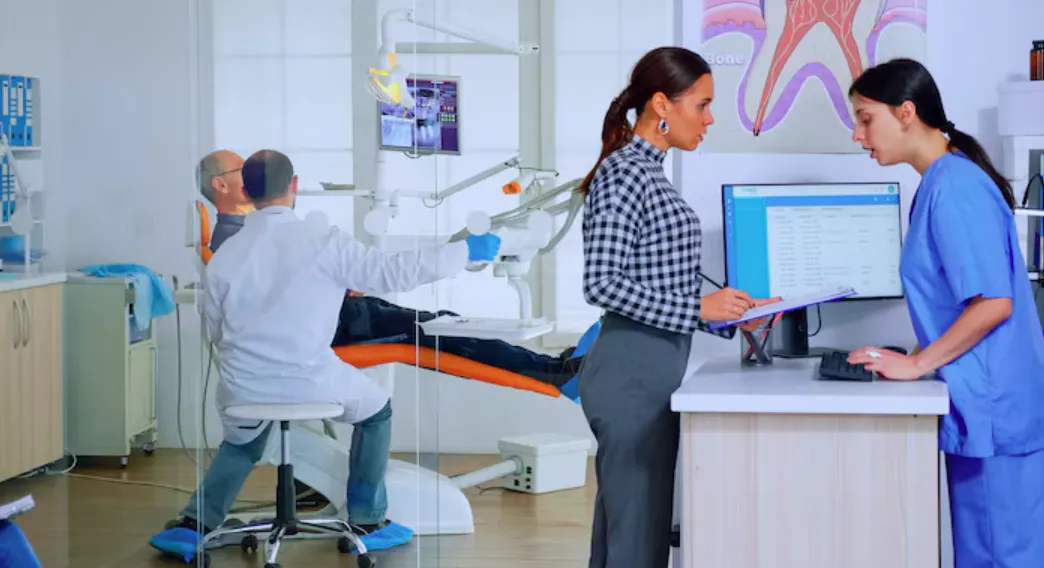
Clinical hours sound intimidating on paper, and truthfully, the first few days can feel clumsy. You’re handing tools, watching procedures, trying not to trip over cords near the chair. It gets smoother fast though. Most programs schedule these hours in blocks, often at partner clinics around Tacoma, so you’re not just observing but actually doing tasks under supervision. That repetition, awkward at first, is what builds real muscle memory for the job later.
Conclusion
Choosing between programs shouldn’t feel like flipping a coin. Look past glossy pamphlets and ask real questions about schedules, instructors, hidden costs, and what happens after graduation. Tacoma has solid options if you know what to check for. For students weighing their next step, aspiredentalassistantacademy.com is worth a look when comparing local training paths that actually prepare you for the chair, not just the classroom.