
Introduction
A mini excavator is one of the most useful machines for small to medium construction, landscaping, farming, and property improvement projects. When a full-size excavator is too large, expensive, or difficult to move around, a mini excavator gives you strong digging power in a compact size. It can work in tight spaces, narrow job sites, backyards, gardens, and urban construction areas where larger machines cannot operate easily. Whether you need to dig trenches, remove soil, level land, or handle light demolition, this machine can save time, labor, and effort.
What Is a Mini Excavator?
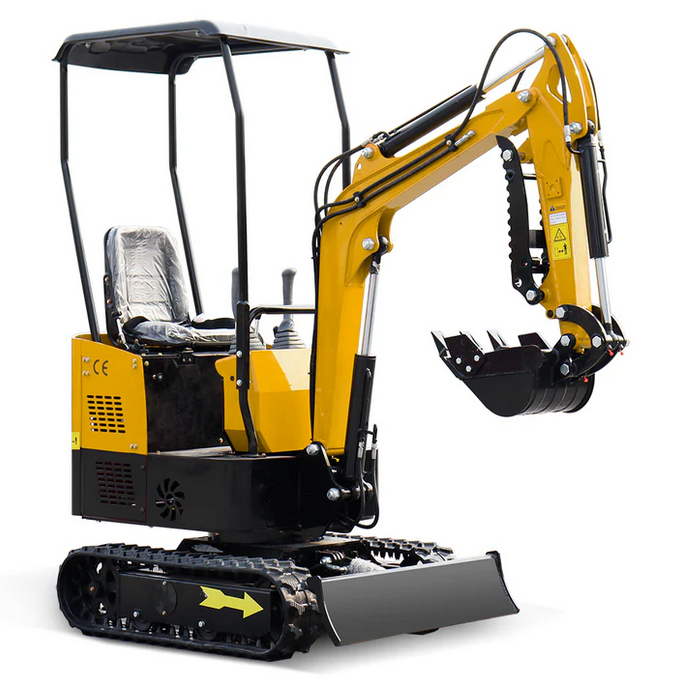
A mini excavator is a compact digging machine designed for jobs that require accuracy, mobility, and reliable power. It usually comes with a boom, arm, bucket, rotating cab, tracks, and hydraulic system. Because of its smaller size, it is easier to transport than larger excavators and can be used in residential, commercial, agricultural, and municipal projects.
A compact excavator is especially valuable when the job site has limited access. For example, contractors often use it for plumbing trenches, electrical cable installation, drainage work, garden preparation, pool digging, and small foundation projects. Homeowners and small contractors also prefer mini excavators because they are easier to operate and more cost-effective than heavy-duty machines.
If you are exploring different models for worksite needs, you can review available options here: https://www.mmsce.com/collections/mini-excavator
Types, Features, and Options of Mini Excavators
Mini excavators come in different sizes and configurations. Choosing the right one depends on your project type, working space, digging depth, and attachment needs.
Common types and features include:
- Small mini excavator: Best for landscaping, backyard digging, garden projects, and narrow access areas. It is lightweight and easy to transport.
- Medium compact excavator: Suitable for contractors who need more digging depth and lifting capacity while still keeping the machine manageable.
- Tracked mini excavator: Offers better stability on soft soil, mud, gravel, and uneven surfaces.
- Zero-tail swing mini excavator: Ideal for working close to walls, fences, buildings, or roadside areas because the rear does not extend far while rotating.
- Mini digger with attachments: Some models can support breakers, augers, rippers, grapples, and grading buckets for more flexible work.
Key features to check include engine power, operating weight, digging depth, bucket capacity, hydraulic performance, fuel efficiency, and operator comfort. A good mini excavator should feel stable, responsive, and easy to control.
For buyers comparing machines for construction, landscaping, or agricultural use, browsing available models at https://www.mmsce.com/collections/mini-skid-steer-loader can help identify the right size and feature set.
Benefits of Using a Mini Excavator
The biggest benefit of a mini excavator is that it gives you strong performance without taking up too much space. Many job sites are too small for large machines, especially in residential areas, gardens, farms, and tight urban locations. A mini excavator solves this problem by combining compact movement with dependable digging ability.
It also reduces manual labor. Instead of hiring several workers to dig, lift, or clear soil by hand, one operator can complete the task faster and more accurately. This saves both time and project cost.
Another important benefit is versatility. With the right attachment, a mini excavator can dig trenches, break concrete, drill holes, move materials, clean land, and level surfaces. This makes it more than just a digging machine. It becomes a flexible piece of construction equipment for different tasks.
For small contractors, rental businesses, farmers, and property owners, investing in a mini excavator can improve productivity and make daily work much easier.
How to Choose the Right Mini Excavator
Choosing the right mini excavator should be based on your actual work needs, not only the machine size or price. A practical step-by-step approach can help you avoid buying the wrong model.
1. Identify Your Main Work Type
First, decide what you will use the machine for most often. Trenching, landscaping, farming, demolition, drainage, and foundation work may require different digging depths and bucket sizes.
2. Check the Working Space
If you work in narrow areas, choose a compact model or zero-tail swing design. For open land or construction sites, you may be able to use a larger mini excavator with more power.
3. Review Digging Depth and Reach
Digging depth is one of the most important specifications. Make sure the machine can dig deep enough for your typical projects, such as pipe installation, cable trenches, or drainage systems.
4. Compare Engine Power and Hydraulic Strength
A powerful hydraulic system helps the machine dig, lift, and operate attachments smoothly. If you plan to use breakers, augers, or other tools, hydraulic performance becomes even more important.
5. Consider Transport and Storage
A mini excavator should be easy to move between job sites. Check the machine weight and whether your trailer or transport vehicle can handle it safely.
6. Look at Attachment Compatibility
A good machine should support different attachments. This gives you more value from one investment.
Expert Tips and Best Practices
Before operating a mini excavator, always inspect the machine. Check the tracks, hydraulic hoses, bucket pins, fuel level, engine oil, controls, and safety features. A quick inspection can prevent delays and reduce repair costs.
For better performance, use the right bucket for the job. A narrow bucket works well for trenching, while a wider bucket is better for grading or moving soil. Do not overload the bucket, because this can affect stability and reduce control.
Operators should also work slowly in tight areas. Mini excavators are compact, but they still need careful handling near buildings, walls, trees, pipes, and underground cables. If you are digging on a property, check utility lines before starting.
Maintenance is also important. Clean the machine after use, grease moving parts, check hydraulic fluid, and follow the service schedule. A well-maintained mini digger lasts longer and performs better on every job.
When comparing a mini excavator for sale, look beyond price. Consider build quality, warranty, spare parts availability, attachment support, and after-sales service.
Conclusion
A mini excavator is a smart choice for anyone who needs compact power for digging, trenching, grading, landscaping, or light construction work. It is easier to move than a full-size excavator, works well in tight spaces, and supports many useful attachments. By choosing the right size, checking key features, and following proper maintenance practices, you can get excellent long-term value from the machine. Whether you are a contractor, farmer, landscaper, or property owner, the right mini excavator can make your work faster, cleaner, and more efficient.