
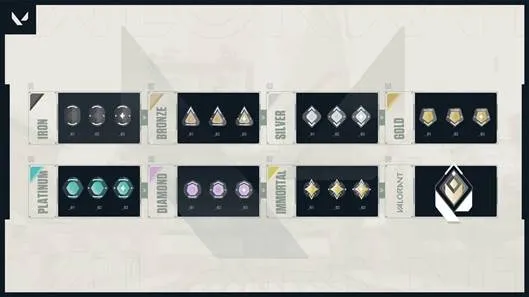
Roughly 22 percent of Valorant players are sitting in Gold right now. Radiant, the rank your duo swears he is two good nights away from, holds 0.03 percent of the ladder. The gap between those numbers has almost nothing to do with raw aim.
Ranked is a subject you study, not a slot machine you feed. Patch 13.00, live since June 23, made that clearer.
How the Valorant Ranking System Really Works: RR, MMR, and the hidden Elo
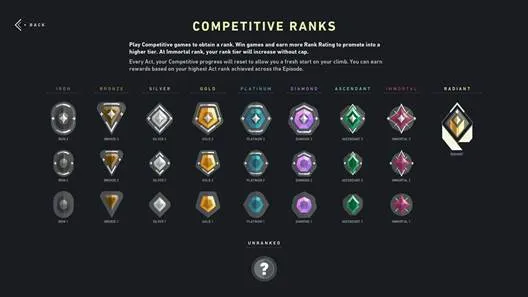
Riot Games runs two numbers on you. Rank Rating is the visible one: 100 RR per division, wins paying roughly 10 to 50, losses taking 10 to 30. Below Immortal, a strong individual performance nudges the payout up. At Immortal and Radiant, only the result counts.
Matchmaking Rating is the hidden one, and it is the one that matters. MMR decides who you queue against and how generously the game pays. RR is the receipt. MMR is the bank balance. When your MMR sits above your current rank, wins pay more and losses cost less: the system is dragging your rank up to your skill level.
The Act 4 patch notes tuned this in your favor. RR now moves faster for consistent winners, and matchmaking keeps both teams’ average rank within one sub-tier. Fewer lobbies with a Bronze teammate in a Platinum match and fewer excuses.
Here is the ladder, based on the latest Valorant rank distribution data.
| Tier | Share of players | How to leave it |
| Iron | 4.4% | Crosshair at head height |
| Bronze | 13.3% | Throw util before every gunfight |
| Silver | 18.6% | Buy discipline. Save with the team |
| Gold | 22.4% | A three-agent pool and clean trades |
| Platinum | 19.7% | Default setups, mid control, retakes |
| Diamond | 13.2% | Knowing when a round is already lost |
| Ascendant | 7.0% | Consistency across an act, not one hot week |
| Immortal | 1.5% | Punishing enemy tendencies by round four |
| Radiant | 0.03% | Top 500 in your region. Talent and hours |
The Best Way to Play Valorant Solo Queue and Rank Up Fast
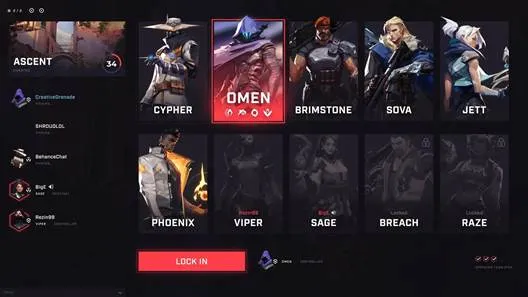
Shrink your agent pool. Three agents, one per role you will fill, are the ceiling under Ascendant. The agent usage numbers tell a funny story: Jett and Reyna are two of the most-picked agents in comp, and both hover near a 50 percent win rate, while quieter picks like Clove and Cypher post the better results. Reyna does not carry you. Reyna carries players who already win their gunfights.
Then fix your trades. Below Diamond, the biggest RR leak is not aim; it is two players watching a teammate die alone in a 1v1 nobody needed to take. Peek together, trade within a second, and you win more games while your aim stays exactly the same.
Treat unrated like a lab, not a warm-up. New agent, new lineup, new crosshair: test it in unrated games and keep it out of the competitive queue until it is muscle memory. Comp is for executing what you already know.
How to Double Rank Up in Valorant, and Why Placement Games Lie
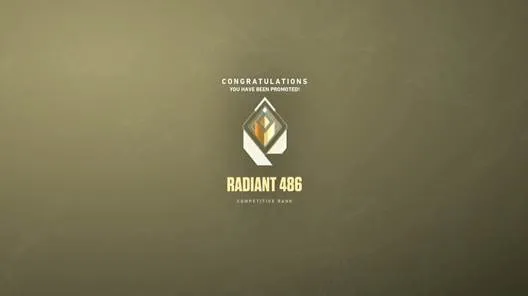
A double rank up is not luck. Riot’s senior competitive designer explained the mechanic plainly: your MMR only sits so far above your visible rank, and once you land four ranks away from it, a double rank up is guaranteed. The system is correcting itself, not rewarding you.
It is also why five placement games rarely land where you expect. Placements are guessed from thin data, so a fresh account rarely places above Gold or Platinum, no matter how many frags you post. The real climb happens in the 30 games after, once MMR has evidence to commit.
That gap explains the smurfs and second accounts too. Learning Viper lineups at your true rank is expensive, so players do it somewhere else, which is why marketplaces like igitems exist. Experimenting on your main is how a good act quietly turns into a bad one.
Pro Tips for Ranking Up Faster: Aim Training, Lineups, and VODs
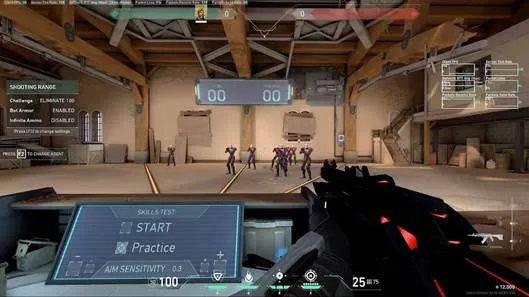
Aim training works, but not the way most people use it. Around 70 percent of your improvement comes from in-game reps, the rest from the Range and aim trainers. Ten minutes on static bots at head height, five on strafers, then one deathmatch with a single rule: burst-only or head-level-only. Ignore the scoreboard. You are not there to win it.
Map knowledge pays better. Summit entered the competitive rotation on June 24, and Riot’s two-week window of halved RR losses has closed, so every wall you have not learned now costs real rating. Ascent is still the smartest map to master first; its mid-control patterns repeat almost everywhere else in the pool.
Then watch your own tape. One VOD of your losses beats five hours of streams, because your mistakes repeat and you cannot fix what you have not seen. When you watch how the pros play, watch with a question. Pull a match from vlr.gg, pick one player on your agent, and track only their positioning after the spike drops. That is where game sense comes from.
Low Elo, Tilt, and Knowing When to Stop Queuing
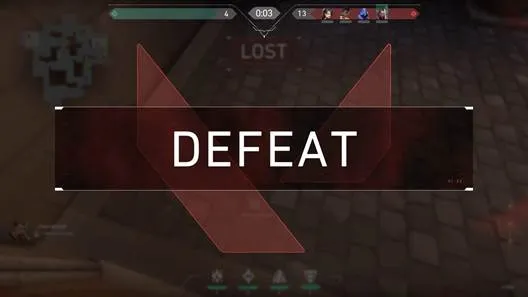
Three losses in a row, and your next game is a coin flip you are calling badly. Low elo, high elo, immo, it makes no difference: the tilted version of you is two tiers worse than the rested one, and the ladder charges you for it.
Set the rule before you queue, not after the third loss. Two losses, stop. Play unrated, or close the game entirely.
The climb rewards boring things: a small agent pool, clean trades, one map you know cold, and the discipline to stop queuing when you are done. Pick one of those this week, log ten competitive games, then check your RR. The number will tell you the truth long before your teammates do.