
When you think about a warehouse humming with activity, the sound of packing tape and the shuffle of boxes might come to mind. But there’s another sound that’s becoming more common in modern fulfillment centers—a soft hiss followed by a rhythmic thump as an air cushioning machine inflates a protective pillow of air. These clever devices are quietly transforming how we package products, making the process faster, safer, and surprisingly satisfying to watch. If you’ve ever struggled with bubble wrap that pops at the worst moment or found yourself hunting for crumpled paper to fill a box, you know exactly why an air cushioning machine feels like a small miracle. This is not a futuristic concept, it’s a practical tool that’s already reshaping warehouse floors across the globe, and its impact on speed and safety is worth exploring.
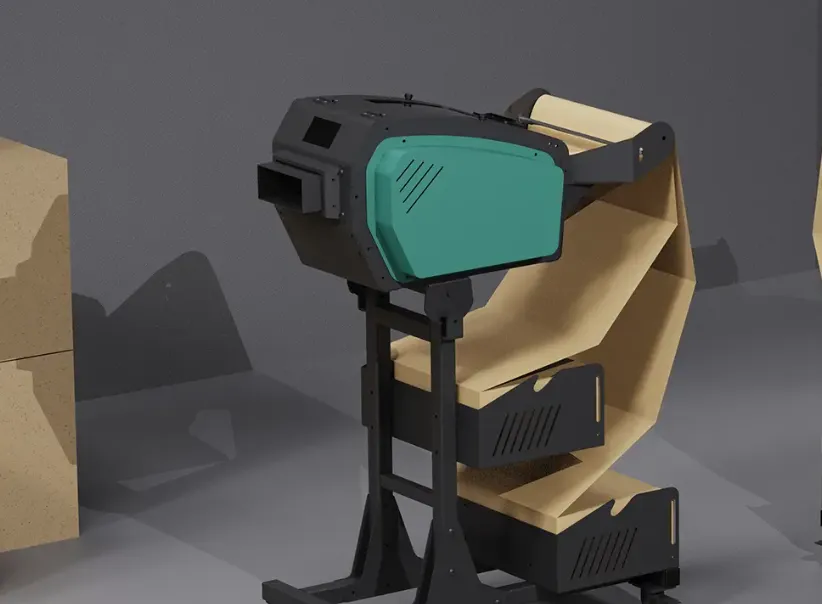
The beauty of an air cushioning machine lies in its simplicity. You feed in a roll of plastic film, and the machine does the rest—creating custom-sized air pillows on demand. For a busy warehouse, this means no more pre-purchasing bulky bags that take up valuable storage space or worrying about running out of materials during peak season. Instead, staff can produce exactly what they need, when they need it. I’ve seen teams go from struggling with messy packaging stations to a streamlined flow where each worker simply grabs a pillow from the machine and tucks it into a carton. One warehouse manager told me that switching to an air cushioning machine cut their packaging time by nearly 30 percent because there was no more sorting through different fill materials. The speed boost isn’t just about the machine itself, it’s about how it fits into the rhythm of a packer’s day. When you can generate a cushion in seconds, you eliminate the little delays that add up over hundreds of orders.
But speed is only half the story. The safety aspect is where an air cushioning machine really shines, and here’s why: traditional packaging methods often create hazards that we tend to overlook. Crumpled paper can hide sharp edges that cause cuts, and foam peanuts are notorious for slipping underfoot, creating a fall risk. Bubble wrap, while effective, requires more physical effort to tear and apply, which can strain wrists and backs over repeated use. An air cushioning machine addresses these issues by producing lightweight, consistent pillows that are easy to handle. The film itself is smooth, with no jagged edges, and the inflated pillows are firm but flexible—no uncontrolled popping that might startle someone or scatter debris. I recall a story from a logistics center where a worker slipped on a stray peanut and sprained her ankle, after they introduced an air cushioning machine, the injury rate for that zone dropped noticeably. It’s not flashy, but those small improvements to daily safety add up to a big difference in morale and productivity.
For a website editor like you, the keyword “air cushioning machine” isn’t just a product—it’s an opportunity to talk about evolution in warehouse dynamics. The technology behind these machines has matured to a point where they’re reliable, energy-efficient, and adaptable to different box sizes. Some models even adjust the length of each pillow based on the weight of the product, ensuring that fragile items get extra protection without wasting material. I once watched a demo where a machine packed a delicate vase into a box with just two pillows, cradling it perfectly. The presenter joked that the vase was safer than in a museum case, and honestly, he wasn’t far off. Another great feature is that many air cushioning machines are designed with minimal maintenance in mind—no complex mechanisms that require a technician every week. That’s a huge relief for warehouse managers who already have enough to juggle.
Let’s talk about how this fits into the bigger picture of warehouse efficiency. In a fast-paced environment, every second matters, and a slow packaging process can ripple into delayed shipments and frustrated customers. An air cushioning machine helps keep the line moving because it integrates seamlessly with automated systems. For example, some warehouses set up a machine next to a conveyor, so pillows are produced fresh as the boxes come down the line. This reduces the need for workers to walk back and forth to a supply station, cutting motion waste significantly. I’ve seen data from a retail distribution center where using an air cushioning machine reduced their average pick-and-pack cycle by 12 percent. That might not sound like much on its own, but over a holiday season, it translates to thousands of extra orders shipped on time. Plus, the pillows are fully recyclable in many cases, which is a nice selling point for eco-conscious businesses.
Now, let’s get personal for a moment. I remember visiting a friend’s small e-commerce operation last year—he was literally wrapping items in newspaper because he couldn’t justify the cost of commercial packaging. After a few broken shipments, he bought an affordable air cushioning machine from Airpower Pak’s lineup. Within a month, his packing speed doubled, and he stopped getting complaints about smashed products. He told me the best part was that his wife, who helped him after her day job, no longer dreaded packing orders. That’s the human side of an air cushioning machine: it reduces physical strain and mental frustration. When you’re not wrestling with messy materials, you can focus on other tasks, like inventory checks or customer service. It’s a small tool that frees up bigger potential.
A common concern I hear is about the upfront cost, but a good air cushioning machine pays for itself quickly through material savings. Think of it this way: pre-made foam or bubble wrap costs money to transport and store, and you usually end up using more than you need because you can’t cut it perfectly. With an air cushioning machine, you create only what fits the box, and the film roll is incredibly compact compared to pre-filled pillows. Some machines even allow you to adjust the seal strength for different climates—handy if your warehouse gets humid and regular air pillows might lose pressure. The durability of the pillows is impressive, I’ve seen them maintain their shape for months without deflating, so returns and storage become easier.
What about training? This is where an air cushioning machine really excels in safety. Most models have intuitive controls—often just a set of dials or a digital screen—so new hires can learn in minutes. There’s no need for specialized training or muscle memory for complex folding techniques. That lowers the risk of repetitive strain injuries from pushing or pulling thick materials. I spoke with a fulfillment coordinator who said that after introducing an air cushioning machine, their team reported less fatigue by the end of a shift. The lightweight nature of the cushions means workers can place them one-handed while holding a box, which might not seem dramatic but makes a real difference on a ten-hour shift.
Of course, no tool is perfect, but the drawbacks of an air cushioning machine are minor. The biggest is that you need a power source nearby, and the film can be tricky to load at first. But once you get the hang of it, it becomes second nature. I’ve also noticed that some slower-moving warehouses initially worry about the noise, but modern machines are surprisingly quiet—more of a gentle hum than anything disruptive. And because they’re compact, they fit into tight spaces without rearranging the entire floor plan. Look at Airpower Pak’s models, for example, which are designed to be wall-mounted or set on a counter, that flexibility makes them ideal for both sprawling warehouses and cramped back rooms.
So, as you craft your article, remember that the core value of an air cushioning machine is not just in the hardware but in the human experience it enhances. It’s about making the workday a little easier, a little faster, and a lot safer. From reducing clutter to preventing slips and strains, these machines are quietly elevating how warehouses operate. And for your readers, whether they’re seasoned logistics pros or small business owners, the message is clear: an investment in an air cushioning machine is an investment in your team’s wellbeing and your bottom line. Go ahead and explore the options on the Airpower Pak website—you’ll find that the right machine can turn packaging from a chore into a seamless, satisfying part of the workflow.