
Introduction
When a power outage, severe storm, natural disaster, or other emergency disrupts normal communication, access to reliable information becomes extremely important. An emergency radio can help you stay informed about weather alerts, evacuation instructions, and other official updates when smart-phones, televisions, or internet services are unavailable.
However, not every emergency radio offers the same features. Understanding what to look for can help you choose a model that fits your preparedness needs.
How to Choose an Emergency Radio
1. Reliable Reception
The most important feature of an emergency radio is dependable reception. Look for a radio that can receive the broadcast bands commonly used for local news, weather information, and emergency announcements in your area.
A radio with a good antenna and clear reception can be especially valuable when conventional communication systems are disrupted. Before purchasing, check which frequencies and broadcast services the radio supports.
2. Multiple Power Options
An emergency radio should not depend entirely on a wall outlet. During a power failure, having alternative charging methods can make the device much more useful. Consider models that offer several power options, such as:
Rechargeable batteries:
Convenient for regular use and emergency storage.
Replaceable batteries:
Useful when recharging is not possible.
Hand-crank charging:
Allows you to generate power manually when batteries are depleted.
Solar charging:
Can provide an additional charging option when sunlight is available.
USB charging:
Helpful when you have access to a power bank or portable power station.
Having multiple ways to power the radio provides greater flexibility during extended emergencies.
3. NOAA Weather Alerts and Emergency Notifications
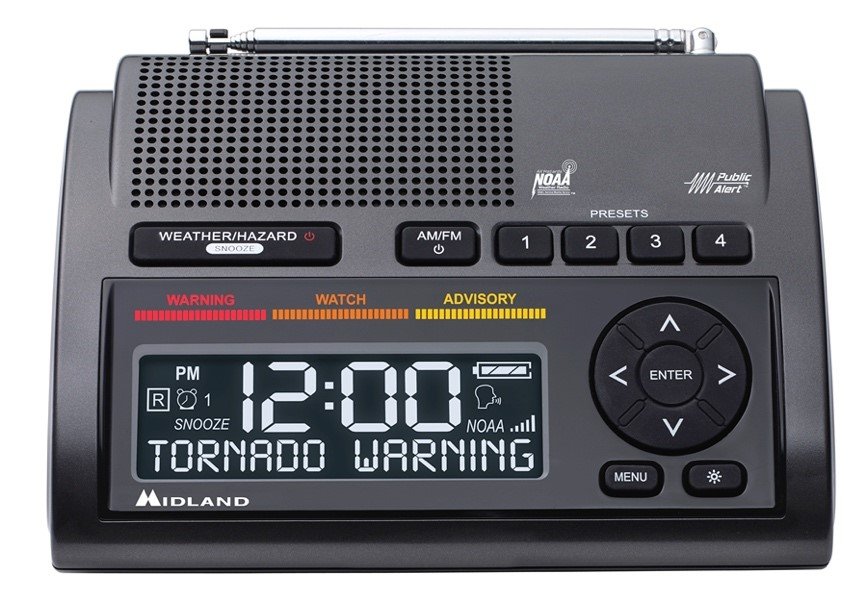
For users in the United States, NOAA Weather Radio compatibility can be an important feature. Radios that support emergency alert functions can help users receive warnings about severe weather and other hazards.
Depending on where you live, look for a radio that supports the emergency information and broadcast services most relevant to your region.
4. Built-In Lighting
A built-in flashlight can make an emergency radio more versatile. During a nighttime power outage, having lighting and communication equipment combined in one device can reduce the number of items you need to locate.
Some models may also include reading lights or other illumination features. Check the brightness and battery consumption to ensure the lighting meets your needs.
5. USB Charging Capability
Some emergency radios include USB output ports that can provide limited charging for smart-phones or other small electronics. This can be useful when you need to make an emergency call or access important information from a mobile device.
However, charging another device can consume the radio’s available power, so it is important to understand the battery capacity and limitations before relying on this feature.
6. Durability and Portability
Emergency equipment may need to be stored for long periods and transported quickly when necessary. Look for a radio with a sturdy construction suitable for your intended environment.
A compact, lightweight design can be particularly useful for emergency kits, vehicles, camping, and evacuation bags.
Conclusion
Purchasing the right emergency radio should provide reliable reception, flexible power options, useful emergency alerts, and practical features such as lighting and USB charging. Durability, portability, and ease of operation are equally important. By evaluating these features before an emergency occurs, you can choose a radio that becomes a dependable part of your broader preparedness kit.