
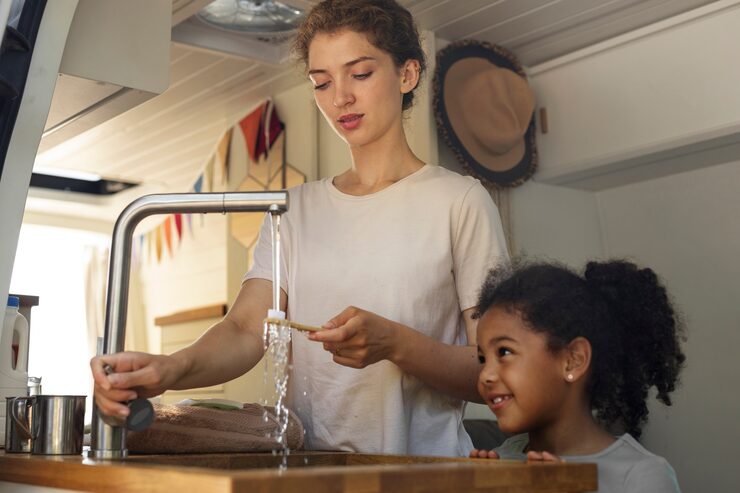
Tap water can look completely clear in a glass and still contain things most people cannot see. Minerals, chlorine, or tiny particles sometimes remain present even after municipal treatment. Because these elements are invisible, many homeowners do not realize they exist until small signs begin appearing.
A strange taste, mild odor, or white residue around faucets often leads people to ask questions about their water supply. That curiosity is one reason many residents schedule Water Quality Testing Wilmington NC to understand the exact condition of their household water.
What Water Quality Testing Checks
Water testing usually examines several characteristics of the water coming into a home. Technicians measure mineral hardness, pH balance, and the presence of sediments or chemicals. Each of these factors influences how water behaves in daily household use.
Through Water Quality Testing Wilmington NC, homeowners can learn whether their water contains high mineral levels, chlorine traces, or other substances that affect taste and cleaning performance. The results provide a clearer picture of the water entering the plumbing system.
Signs That Testing May Be Helpful
Sometimes water quality issues become noticeable through everyday activities. Dishes may develop cloudy spots after washing. Soap might not lather well during showers or while cleaning sinks.
Changes in drinking water taste can also raise concerns for families. These signs do not always indicate a serious problem, but they are often enough to make homeowners consider Water Quality Testing Wilmington NC to gain more accurate information.
Differences Between Water Sources
Water conditions can vary depending on where the supply comes from. Homes connected to municipal water receive treated water from public systems, while some properties rely on private wells drawing water from underground sources.
Even within the same neighborhood, mineral levels or sediment content may differ. Testing helps identify these variations and explains why water behaves differently from one home to another.
Choosing The Right Water Treatment
Understanding water quality is an important step before installing any treatment system. Without testing, homeowners may guess at the cause of their water problems and select equipment that does not address the real issue.
Test results help determine whether filtration, softening, purification, or pH balancing systems are needed. This approach ensures that any water treatment solution directly targets the conditions affecting the home.
Protecting Plumbing and Appliances
Certain water conditions can gradually affect plumbing fixtures and appliances. Hard water minerals may collect inside pipes or water heaters, while sediment particles can build up in faucets and filters.
Testing water quality allows homeowners to detect these issues early and consider solutions before they lead to costly maintenance or reduced appliance performance.
Conclusion
Understanding what flows through your home’s plumbing system is essential for maintaining reliable water use. Even when water appears clean, hidden minerals or chemical traces can influence taste, cleaning efficiency, and plumbing performance. Homeowners interested in learning more about evaluating and improving their water conditions can explore helpful resources at rainsoftcarolinas.com. Taking the step to test household water helps identify potential issues early and makes it easier to choose the most suitable treatment solution for long-term water quality improvement.